A Year of Seasonal Gatherings
In With Many Roots we have constellated becoming a cyclical organisation in two main ways: individually around the menstrual and post menstrual cycles of our key women; and for us all, structuring some of together-times around certain elements of the Wheel of the Year – particularly, the Vernal and Autumnal Equinoxes and the Summer and Winter Solstices.
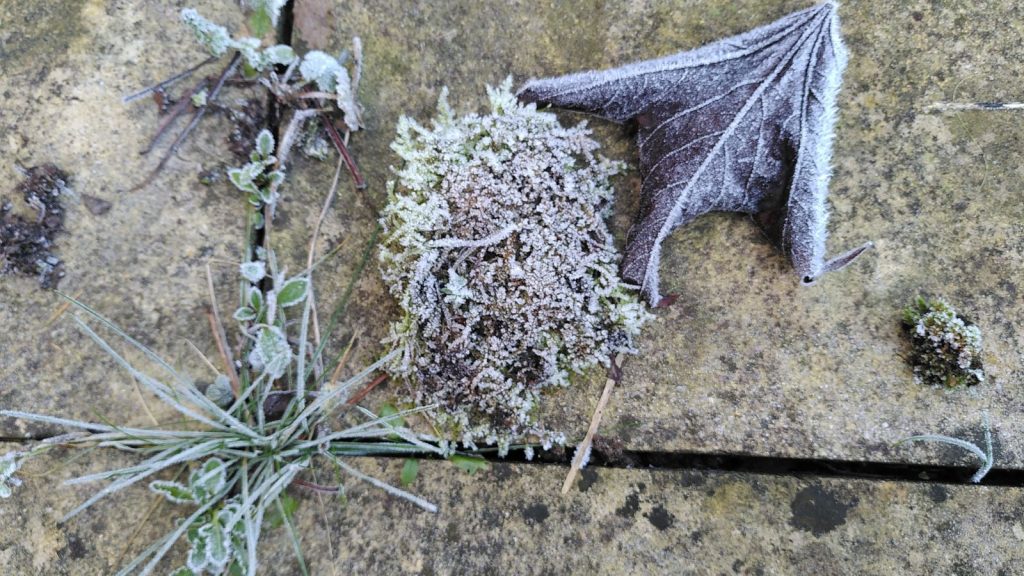
The Equinoxes are times when the balance of daylight and darker hours is approximately equal (in the Northern Hemisphere, March and September), so questions for reflection and sharing in our Gatherings are based around how balanced (or not) we feel in personal and professional terms. In traditional business terminology, this would relate to times of holding steady, being on track, consistency, and perhaps ‘marking time’ before future faster or slower paced times…
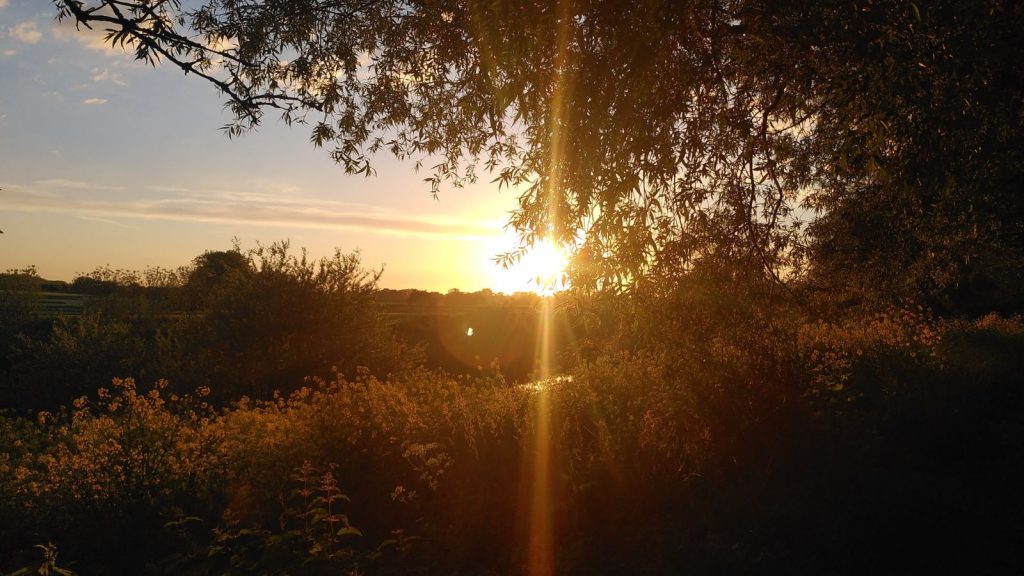
… which might be a way to describe the Solstices: the periods in June and December when, respectively, the hours of daylight and darkness are at their greatest. Reflections and sharings in our Gatherings focus on how we are experiencing the light(er) and dark(er) aspects of our own states of being. In terms of traditional business growth models, this might equate with times of peaks and expansions – the ‘summers’; and times of troughs and contraction – the ‘winters’. We find it helpful to consider the differences – again, both personal and professional – between flourishing and producing, and resting and gestation.
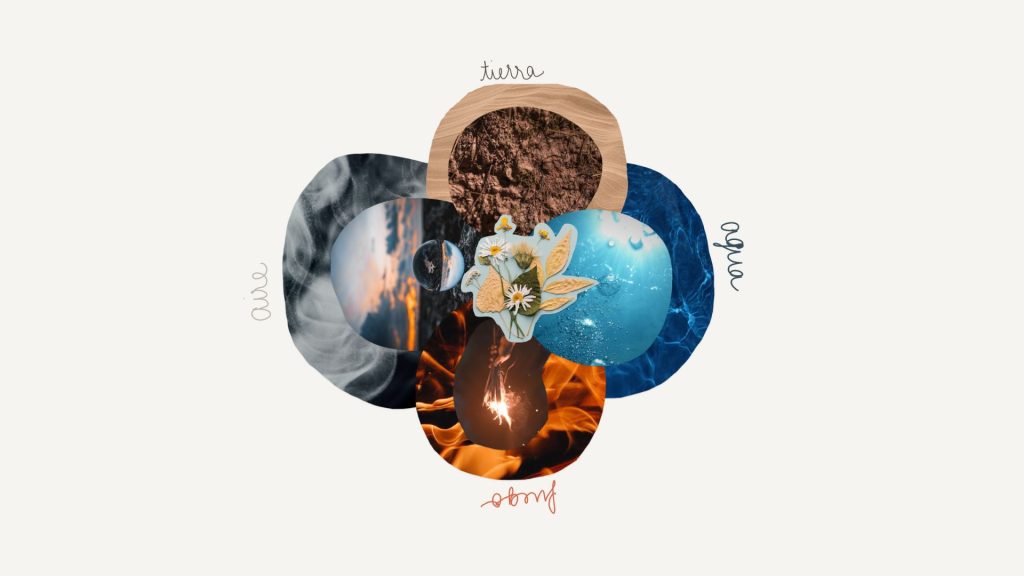
As well as the sharing of reflective, supportive work – and always finding something to celebrate – there is a ritual, or ceremonial aspect to our Gatherings, grounded in the elemental forces of air, fire, water and earth. In addition, with a great-grandmother who was a Somerset ‘hedge-witch’, I’ve been familiar since childhood with some of what might be termed the ancient shamanic traditions of Britain – and as an adult received training in such. Even now, as an elder, I consider myself still ‘apprenticed’. For me, and for others who think similarly, using nature’s cycles and the power of the elements to pay attention to our personal and organisational growth makes complete sense for the work of a climate and nature-focused organisation like WMR.
I do find a tension in working online and indoors in nature-based ritual work, but it’s a creative opportunity. A typical Gathering – after the usual necessities of checking connections and saying hello – will be to name and acknowledge the elements, asking for their support and assistance, and for all attending to light their own candle and offer it up to the screen for others to see. We are then ‘connected’ in more than just the online sense. In addition, I always have some natural objects on my desk, and workspace generally, as do other participants if they wish.
To give you more of an idea of an actual Gathering, below are my ‘Order of Gathering’ notes made after our Summer Solstice Gathering of two years ago:
- Welcome
- Synchronous lighting of candles
- Each of us show/say something of our acknowledgement to the elemental forces.
- Rounds for discussion of the keywords from my pre-Gathering email and any others that fitted for us personally – several mentions of seeds and earth and growing; what’s growing inside us… etc.
- An awareness of the dichotomy of the vibrancy/activity/opening out of the season, yet a sense of the work slowing/closing down for holiday period and how to be okay (enough) with that in terms of work coming in (or not)…
- Open space (see footnote1) for discussion of what’s our next season, how do we move towards it…
- Acknowledgement of Sophia’s pregnancy and forthcoming maternity leave and the impact of that for her personally and for WMR.
- Discussion re ‘trusting the process’… I remind us of Julian of Norwich’s “all shall be well, all shall be well, all manner of thing shall be well”. She has been defined in a new biography as a “radical optimist”, so let’s go for that!
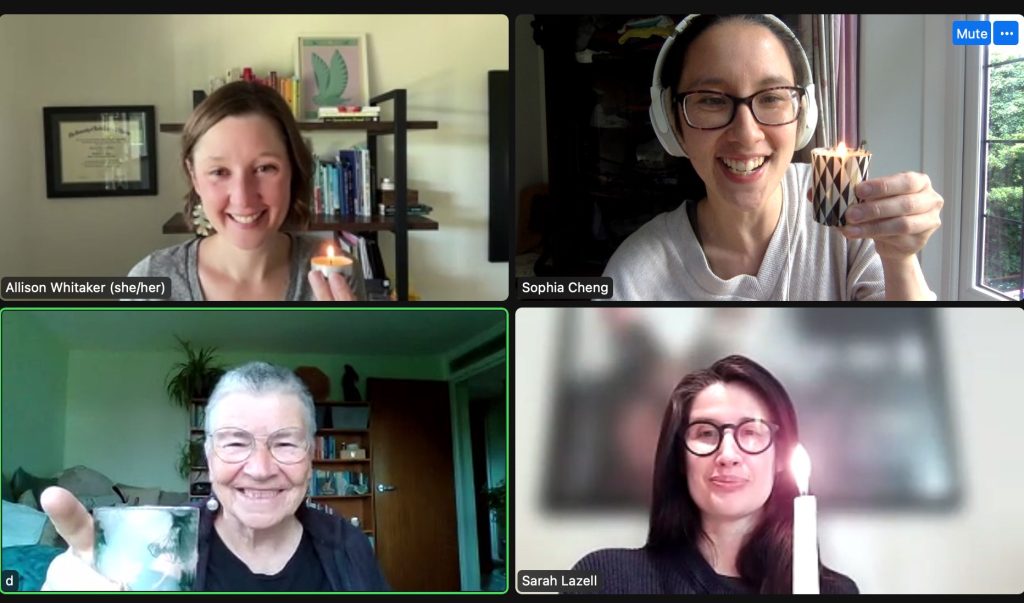
My practice with Seasonal Gatherings is to send a pre-Gathering message with reflection suggestions or questions, then to send a post-Gathering message of where we got to… the narrative. Both the ‘dreaming up’ and the ‘telling of the story’ important in so many ways. Again, that parallels the business-as-usual practices of pre-planning, and of taking minutes and making Action Notes, but for us, the emphasis is on personal ‘actions’; on awareness of process; or simply awareness of our individual and community states of being.
The core team comments on their experiences of the Gatherings:
Allison: “The seasonal gatherings helped me notice the changes in the natural world, my energy, workload, and motivation throughout the year. They also provided a framework to think more deeply about each season and unhook from the continuous output model.”
Sarah: “Daphne brings a blend of curiosity, intuition, and wisdom to our seasonal gatherings. She crafts each session around our needs at the time, then gently guides us through with a light but intentional touch. Her approach creates a space that feels thoughtfully held, allowing us to reflect, connect, and engage in meaningful ways with our team and work. Having these regular sessions has helped us build the business together with the values that are sacred to us.”
Sophia: “It’s taken a bit of time for me to get into the rhythm of the seasonal gatherings because it’s a shift out of the ‘normal’ working day. There is nothing ‘to do’. I am growing to love them; pausing every 3 months to notice ourselves and the seasons, what’s in-sync and what’s not. I rarely take stock and I love weaving in our business rhythm with the seasonal one. I love what I learn from my colleagues during these sessions.”
From my point of view, I’ve been an employee in a variety of roles in a variety of organisations for over 50 years, and have also been a sole trader with my own therapeutic practice, worked freelance, and as a volunteer. Over that time, in that range of situations, and still now, I pay particular attention to what is named and researched as ‘the psychology of the workplace’.
Wearing the hat of a traditional business ‘occupational psychologist’, I would agree with the team’s comments that the Gatherings are valuable and effective ‘team building’. My phrase, not theirs, and I dislike it, primarily because it has become so dismissed as at best a box-ticking exercise, but in fact the concept – and meaningful practice of it – is essential to workplace harmony and to the achieving of organisational aims. And wearing my doula hat (which actually sits permanently on my head), I would say that in addition there are benefits for the entity – the spirit? – of the organisation itself. The common usage word ‘vibe’ is helpful here: the Gatherings (and WMR’s overall approach to Doing Business Differently) bring a positive vibe to the organisation and its members.
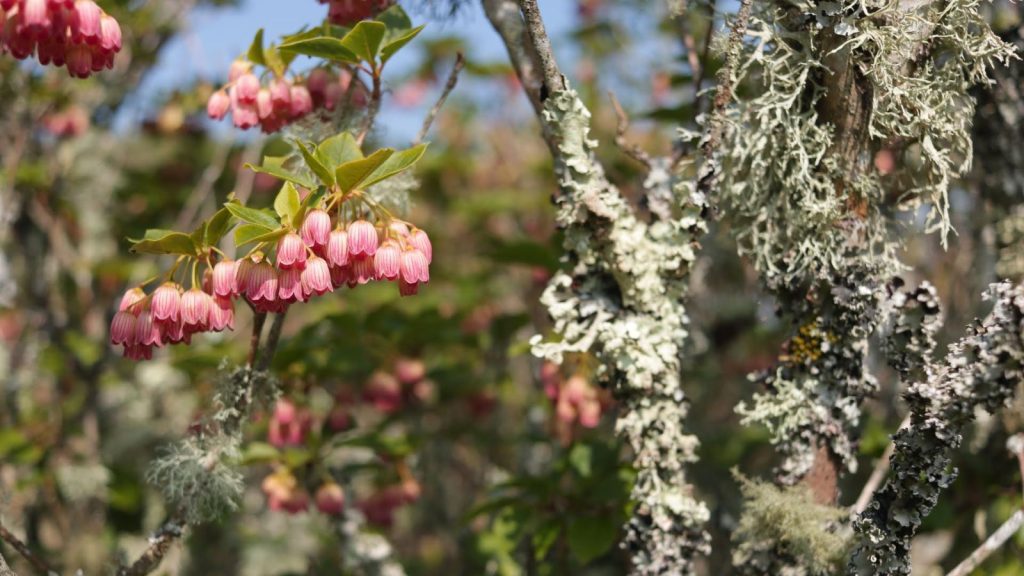
Concerning paying attention to menstrual cycles, I myself have been post-menopausal for several years now (although still pay attention to my own cycle: so-called ‘time of the month’ distinctions still exist, though not as wildly differing as they once were), but our women who are still bleeding notice the ‘seasons’ within one menstrual cycle. They have more awareness about the differences between, say, the ‘summer’ or ‘winter’ of their cycle, and can use that awareness to best effect in terms of how and when to rest more, or work more. Over to Sophia to explain further:
“To normalise conversation about my cycle in our team meetings has been quietly revolutionary. The accountability helps me take notice of my own cycle more closely and learning about how each of the seasons impact us differently has given me a greater insight into this neglected topic. I can be more detached with my negativity in my autumn and know I’ll have empathy from my colleagues in my winter. What has been a real eye opener is riding the wave of my lead up to ovulation: I know I can get so much more done, and really dream big. Making arrangements in my schedule for this cycle has been a game changer. I am now much more confident about bringing this topic up in wider conversations or with people I know less well. It has been so empowering to break this taboo.”
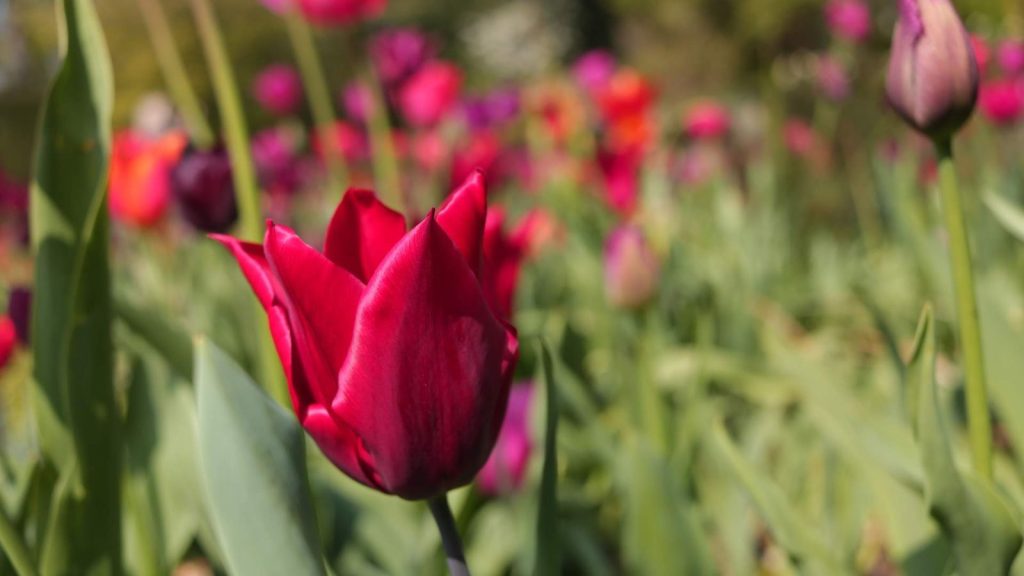
And Sarah adds: “When I joined WMR, it was clear this wouldn’t be a business as usual. It was a place to explore what really works, to experiment, reflect and learn. Understanding how my natural rhythms can enhance my work has been a real eye-opener. It’s led to many more revelations about myself and how to work with my cycle, not against it. If this sounds a little out there, I’d suggest giving it a go. Look for your own patterns and strengths, you might be surprised by what you find.”
Allison comments: “There were many revolutionary things that we tried at WMR but cycle tracking was one of the most personally impactful ones. I was initially drawn to the idea of enhancing productivity by using the different parts of my cycle to complete certain tasks. Whilst that was beneficial, I also developed a deeper empathy for my colleagues in understanding what they were experiencing during different times of the month. I enjoyed the way we approached the topic with curiosity and care. The process helped me appreciate the unique benefits of being a cycling woman in collaboration with other cycling women. It helped me see and challenge embedded societal norms, too.”
So, I’ll end this post – and the whole series – with a summing-up of several thousand years of humankind’s working lives in one sentence. We’ve moved through hunter-gathering, farming, agriculture and agribiz to become increasingly more industrialised, obsessed by economic growth, and by producing and owning more ‘stuff’. At all costs we must live by the ‘business as usual’ mantra – and it has been at great cost.
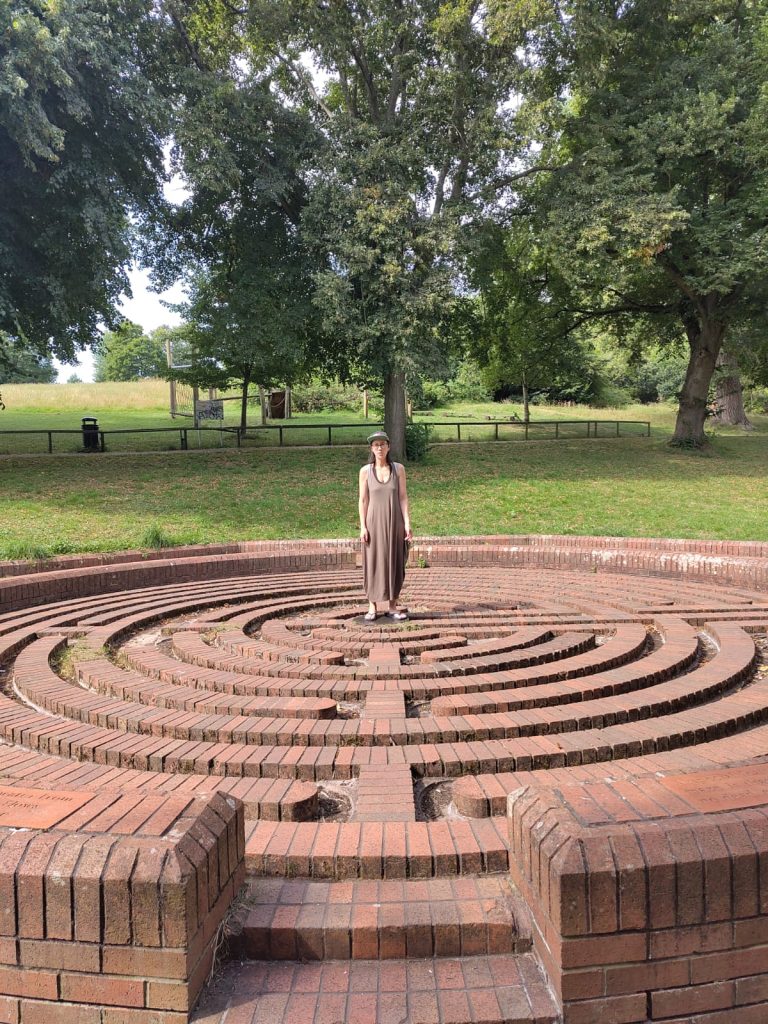
Because now we live and work in a time of climate and biodiversity crises with all the concurrent social, political and financial circumstances. Now we need to change. Business needs to change. This series has been a description of how one small organisation is attempting that change by “Doing Business Differently”.
If you want to respond, reflect, ask questions to any of the content we have discussed in this series, please get in touch: [email protected]
- A round is protected space where the expectation is that everyone contributes, but no-one comments or responds after a contribution until the end of the round, and then only if the contributor agrees. Open space means anyone can contribute anything relevant at any time.
↩︎

 Daphne Pleace
Yorkshire, UK
Daphne is our well-being director and in-house writer. She has over 50 years’ experience of ‘people’ work in a range of contexts. She has been, or still is, an English and drama teacher, a counsellor in educational and relational settings, a psychotherapist, and a facilitator and mentor in both personal and professional developmental contexts. She chooses now to devote her time and skills to individuals and organisations working with the climate crisis.
View all posts
Daphne Pleace
Yorkshire, UK
Daphne is our well-being director and in-house writer. She has over 50 years’ experience of ‘people’ work in a range of contexts. She has been, or still is, an English and drama teacher, a counsellor in educational and relational settings, a psychotherapist, and a facilitator and mentor in both personal and professional developmental contexts. She chooses now to devote her time and skills to individuals and organisations working with the climate crisis.
View all posts