Telling compelling stories about climate change and its impacts is a well documented effective communications tool. Yet it is one thing to know this intellectually and quite another to draft, craft and tell your own story. Story-crafting takes creativity, vulnerability and a good dose of courage.
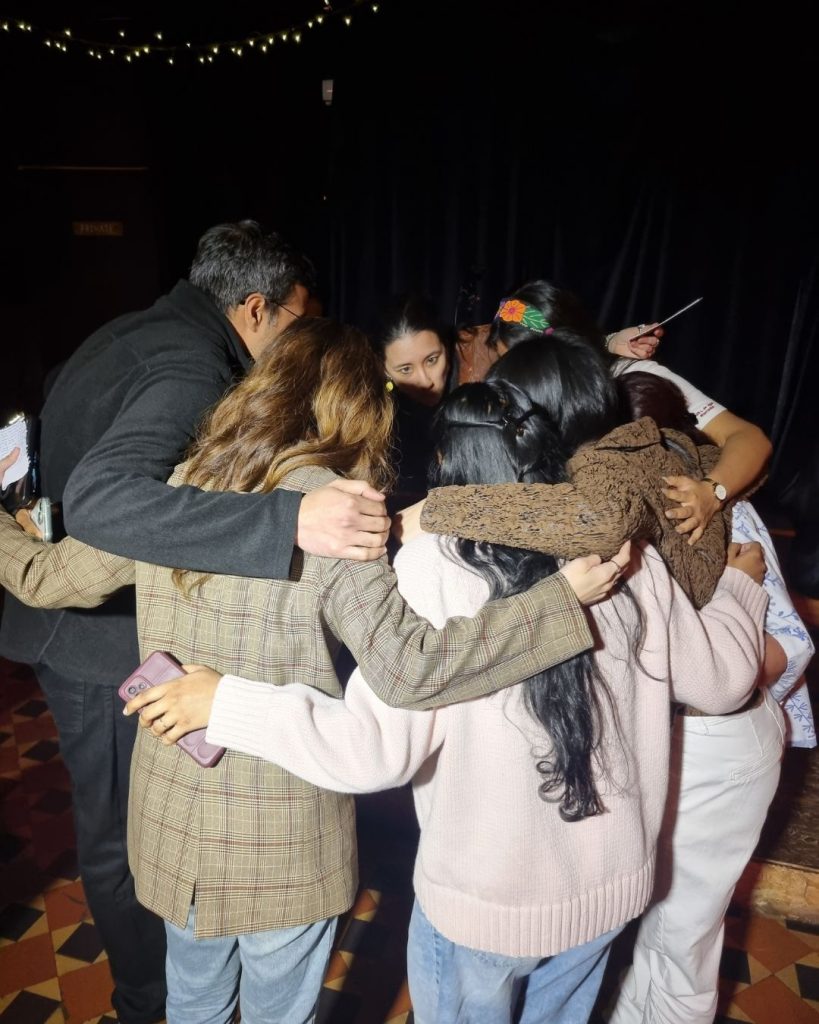
A group of 7 brave people, who are from the global south but work/study and live in York UK, went through this process earlier this year culminating in a live performance evening..
We called it York Climate Narratives
“A historian, Yuval Noah Harari, once said that humanity evolves through stories. It inspired me to explore my own story and peer into my own evolution…sharing my story on stage was one of the most powerful and empowering moments in my life.” – Tia, storyteller
There is growing evidence from neuroscience to highlight how our brains are wired for story.
“The problem of how to make all this wisdom understandable, transmissable, persuasive, enforceable – in a word, of how to make it stick – was faced and a solution found. Storytelling was the solution – storytelling is something our brains do, naturally and implicitly… It should be no surprise that it pervades the entire fabric of human societies and culture.” – Antonio Damasio
Stories take us right back. Many of us were read stories as children and often drift back to a child-like nostalgia when we listen to other stories. Stories aren’t lectures and they’re not opinions. Personal stories specifically, are about lived experience, about decisions and actions we took for one reason or another and their consequences. Stories give us an inside track into other people’s minds. Because they are not pointing a finger (directly) at us or shaming us, stories are easier to hear. Easier for the listener to take on board different experiences, and the lessons learned and from there decide which lessons, if any, to take on.
Who tells the stories sticks too
Conventionally we defer our story telling to the artists and “proper” writers and therefore the gatekeepers who decide which stories get distributed far and wide and which ones don’t. Consider Hollywood and the publishing sector: once it includes profit margins, deciding which stories get shared quickly becomes about power.
So it’s not surprising that many of the stories in Western cultural consciousness are from people who have conventionally held power. There maybe nothing wrong with these stories per se but they limit our perspective. Broadening out who tells the stories gives us a richer canvas to reflect on the world around us. Different viewpoints can point out what we might have been taking for granted and can speak truth to power. The English-language publishing industry has been going through just such a shift. For example, the nature-writing genre was for many years dominated by mostly white, male, middle-class writers. If you visit that section in a bookshop now you will see a much broader range of authors and experiences.
The power of our own stories
All too often we are passive consumers of other people’s stories. And while that can teach us a great deal (What makes someone tick? How did they end up here? etc.) there is great treasure in uncovering our own story. Shifting to think of ourselves as storytellers can give us a sense of agency. And it’s helpful on many levels. At a purely personal level, reflecting on our own story about any given topic and writing it down can help us make sense of our experience, get some distance from it and provoke insightful reflections. In turn, making sense of our own experience can help us have patience for and navigate other people’s stories that might be different to ours.
The role of storytelling
Writing or speaking your own story can be a mighty achievement. But going beyond and sharing that story with the people around you can be just as powerful. In many ways, we do it all the time: in conversation, relaying an anecdote, sharing a recent experience. But sharing a crafted story means we are owning our story. We are clear about our telling of the story, our intent and our potential to influence change.
Stories and the climate crisis
What’s all that to do with the climate crisis? A sizeable amount of the discourse around the climate crisis is numbers: degrees of warming, parts per million of greenhouse gases, centimetres of sea level rise. With so much data being published on the topic, there’s also a lot of graphs, statistics and analysis to wrap your head around. Of course we need solid scientific foundations and some of us are gifted by nature or by education to “get it”, but many of us find the numeracy of it difficult to digest.
Stories are more widely accessible and they activate a different part of our brains. They involve people and therefore relationships. They involve feelings. They also take a big wicked problem and help us get to grips with it by being more tangible.
“Stories are data with a soul.” – Brene Brown
Starting with a blank page can feel intimidating. Fortunately, Climate Outreach’s #TalkingClimate research demonstrates it as an effective communications tool and gives the framework for crafting a personal climate story using just 4 questions:
When did you become worried about climate change?
Have there been moments when your view changed?
Are you doing anything about climate change now?
How do you feel about that?
The project emerges
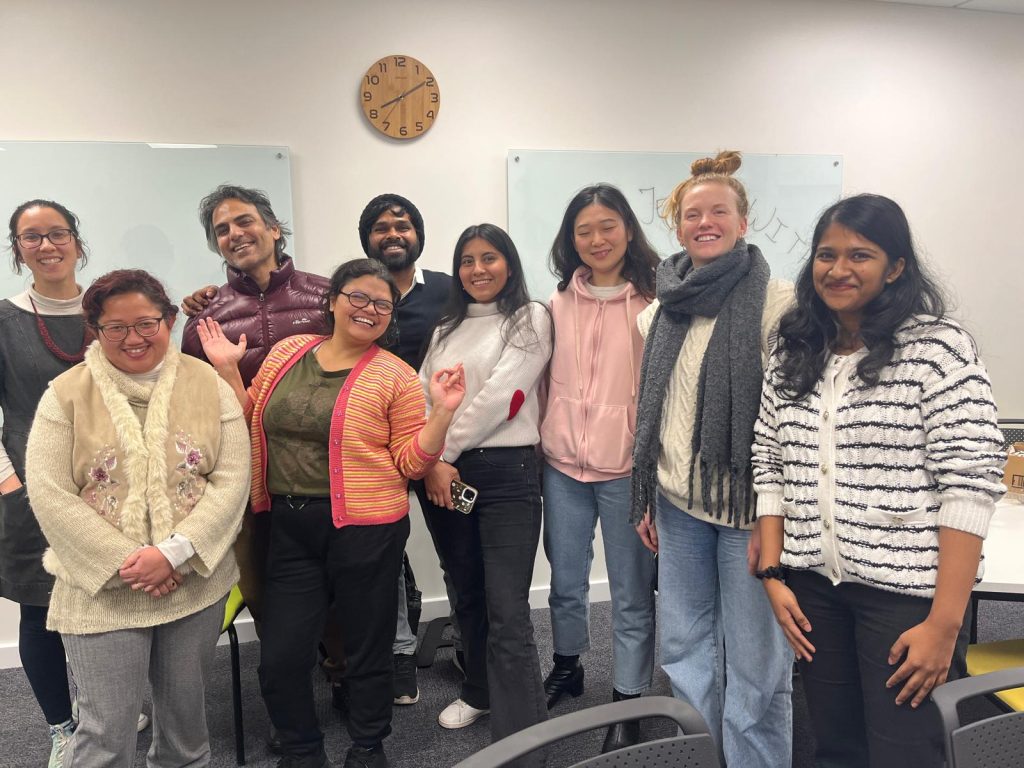
A few chance meetings with Padmapriya, Tia and Katyuska (more about them below) during York Environment Festival 2024 and the idea was born: a 6-week story-crafting process for citizens from the global south who are residing in York to share their stories in the UK’s most prosperous city.
We had support from the University of York and the Sustainability Clinic thanks to Lynda Dunlop, Director of Education, Environmental Sustainability at York.
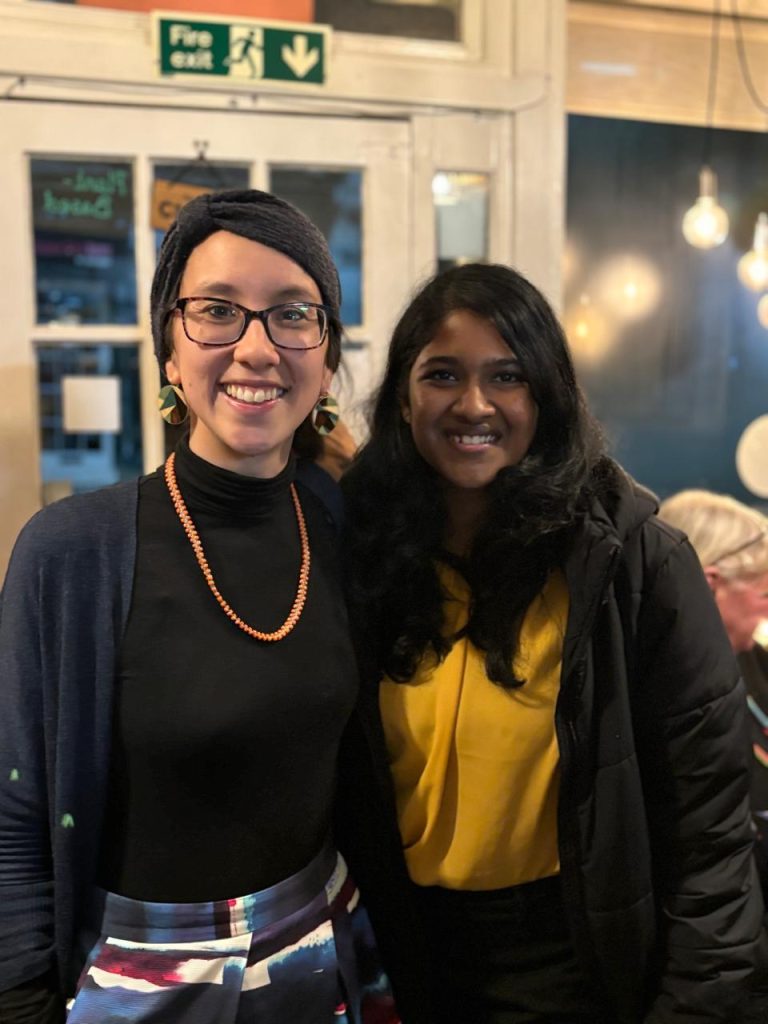
Sophia and Padmapriya meeting during York Environment Week 2024
“Beyond Borders was a novel and exciting project proposal from Sophia and Padmapriya, who were passionate about making stories and building community. The unknown was exciting, but the framing – to tell new stories about how global warming plays out around the world and how we are all connected – felt important and urgent.” – Lynda Dunlop
Building the team
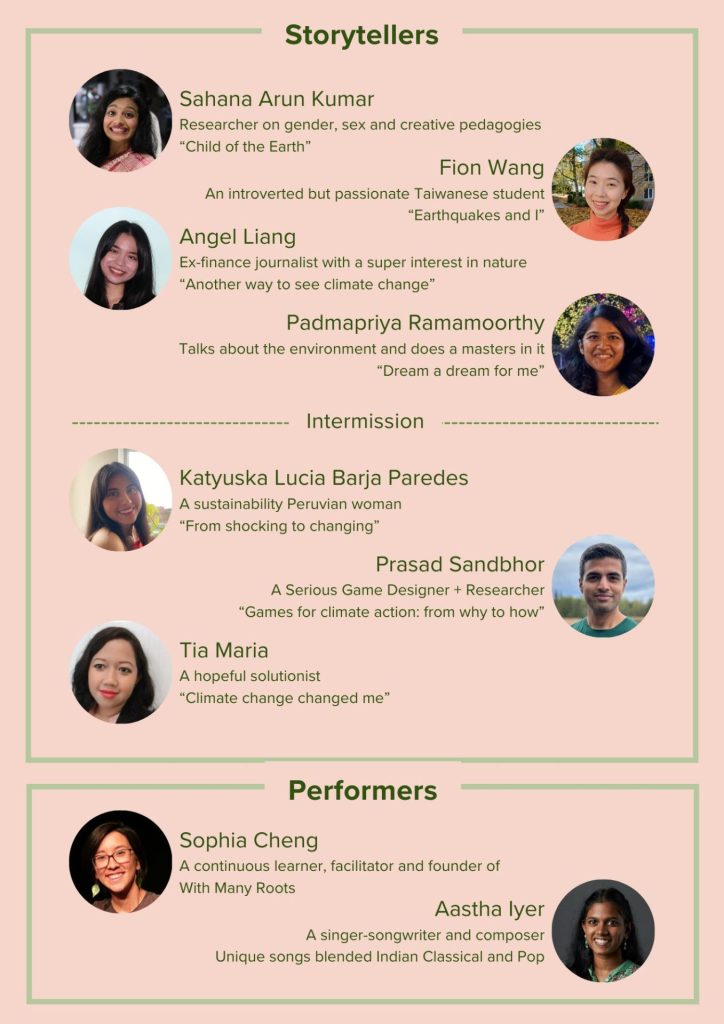
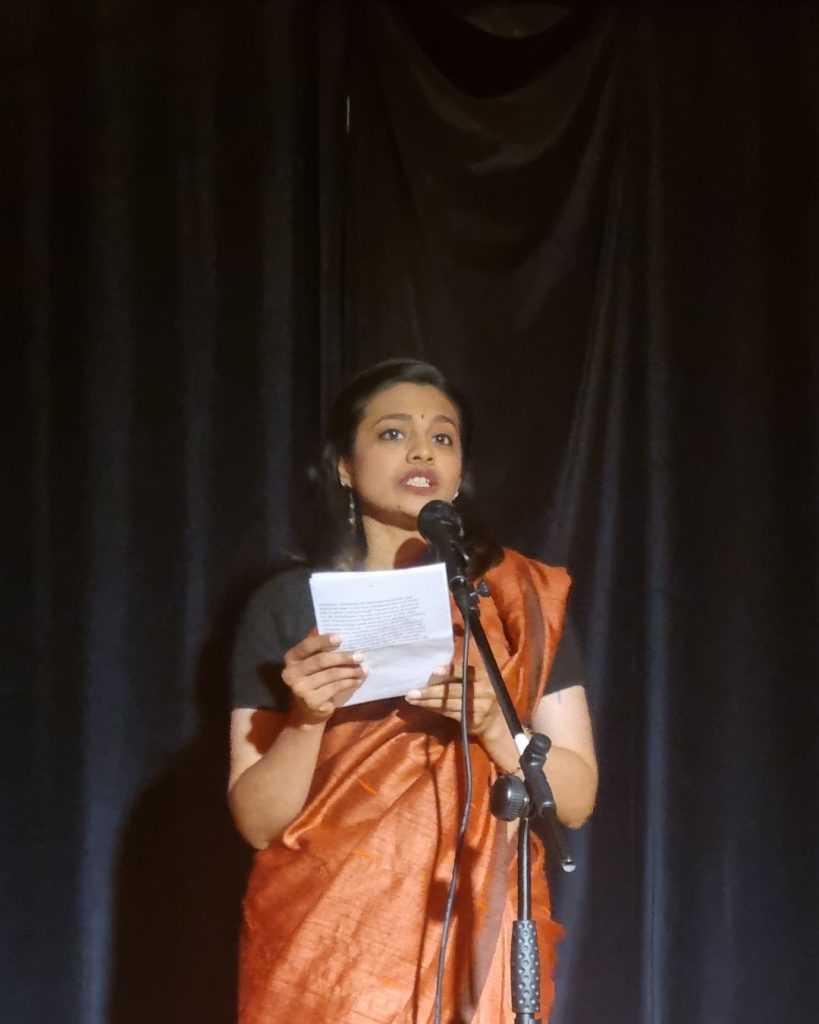
Padmapriya Ramamoorthy – Producer and Performer
“I’m from Salem in South India, where sustainable habits were simply part of daily life long before I even knew the terminology. That early grounding shaped my interest in how people understand and respond to environmental challenges, eventually leading me to the University of York to study Environmental Economics and Management. My work focuses on climate, systems thinking, and practical pathways to sustainability, and I’ve been involved in a range of climate-focused events, workshops, and facilitation projects. I’m especially drawn to roles that connect people, data, and meaningful environmental action.
When Sophia introduced the York Climate Narratives project, I immediately jumped at the opportunity and was genuinely thrilled to collaborate. As part of the production team, I helped source and coordinate storytellers, facilitated communications, organised meetings, and supported logistics leading up to and on the day of the event. I also contributed to shaping the flow of the programme and ensuring the storytellers felt supported throughout the process. I also had the joy of performing as one of the storytellers on the day. Being part of this experience strengthened my belief in the power of storytelling to shift perspectives and inspire climate action, something I hope to continue exploring in future work across climate communication and community-led climate solutions.”
Sophia Cheng – Creative Director and MC
“Taking the knowledge and experience from other creative crafting projects, I was curious to in turn support others in a similar way. To hold the trust and process of new storytellers was a joy and a responsibility. I was honoured to nurture the group to performance night and see them all shine on stage.”
Sophie Webb and Minhee Park curated the communication and design, Katyuska Lucia Barja Paredes led the Social Media team, and Lynda supported the venue and workshop delivery.
The Process
Gathering the Crew: The Making of Our Production Team
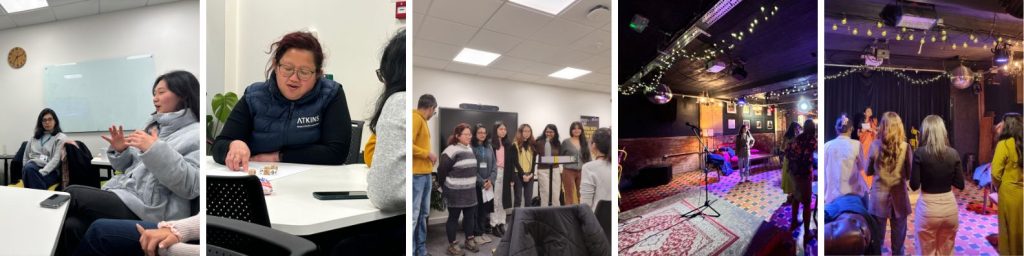
In mid-December, the project took its first real step forward with an open call for anyone interested in performing or helping bring the event to life. The response was bigger than we expected. Enough people came forward not only to shape the final lineup of storytellers, but also to build a solid production team around them. From there, the group naturally split into two parts: one focused on developing the stories themselves, and the other handling the behind-the-scenes work needed to turn the idea into an actual event. There was some healthy overlap too, with a few of us moving between both sides, supporting storytellers whilst also keeping an eye on logistics.
Initial callout for participants and production team.
On the production side, the work quickly expanded into a long list of practical decisions. We explored venues around the city centre, checked for essential equipment like projectors and sound systems, and looked into permissions for photography, recording, and insurance. Ticketing was also discussed early on, not just for managing attendance but as a simple way to ensure GDPR compliance. Once the date was confirmed for the 26th of March, our timeline solidified: venue decision by early February, finalised flyers and teasers by mid-February, a production meeting in March, and a full tech and visuals check on the day leading up to the event. Each step tightened the structure and helped us understand exactly what needed to be done before stepping into the event.
As roles formed, the production team became a small but focused collective. While Sophie and Lynda took on logistics and coordination, Minhee, Padma and Sophia leaned into design, event-day management, liaising with the venue. We even looked into incorporating a small live musical break to create breathing space between stories. By the time late March arrived, everything from tech to visuals had been aligned, creating a clear pathway to the final event. What started as a simple December call-out became a full collaborative effort with a group of people who didn’t necessarily know each other beforehand, coming together to build something meaningful from the ground up.
Following the event, the team continued to collaborate to edit, organise, and publish the event’s recordings online as a part of post-production.
“I am most proud of the friends I made from the experience, I don’t think I’d have interacted with such a diverse group of experiences, interests or backgrounds if I hadn’t taken part in this project.” Sophie
“At first it was quite challenging because our team had so many amazing ideas to merge and our schedule for filming the videos in the city was quite tight. After that, the process and collaboration between us went very smoothly. I really enjoy editing and filming for our social media. It’s a great way to strengthen the bonds within our team. It makes me happy to make new friends who are so passionate about sustainability.” – Katyuska
Story-crafting process: Six Workshops Later
Intro to storytelling: power of stories and our relationship to story, story circle
Story Birthing: taking up space | first drafts
Story Crafting: online rough cut | listening and feelings | group feedback
Story Drafting online fine cut | paired sharing
From the Written Word to the Spoken: oral storytelling and physicality of public speaking | intros and outros
Final touches: speaking persona and dress Rehearsal on the day at the venue
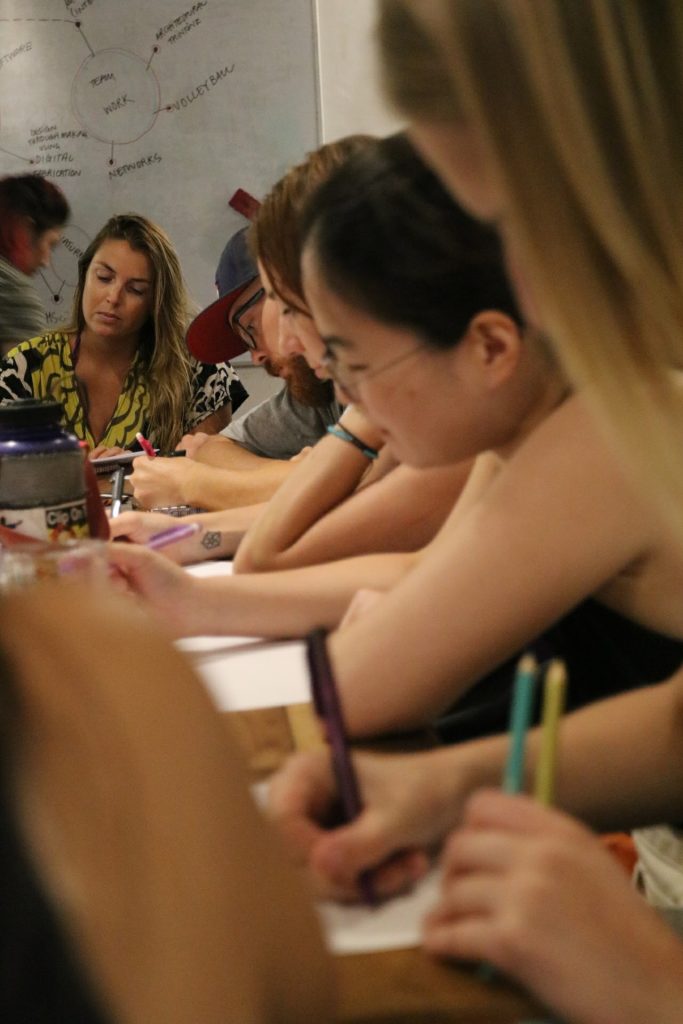
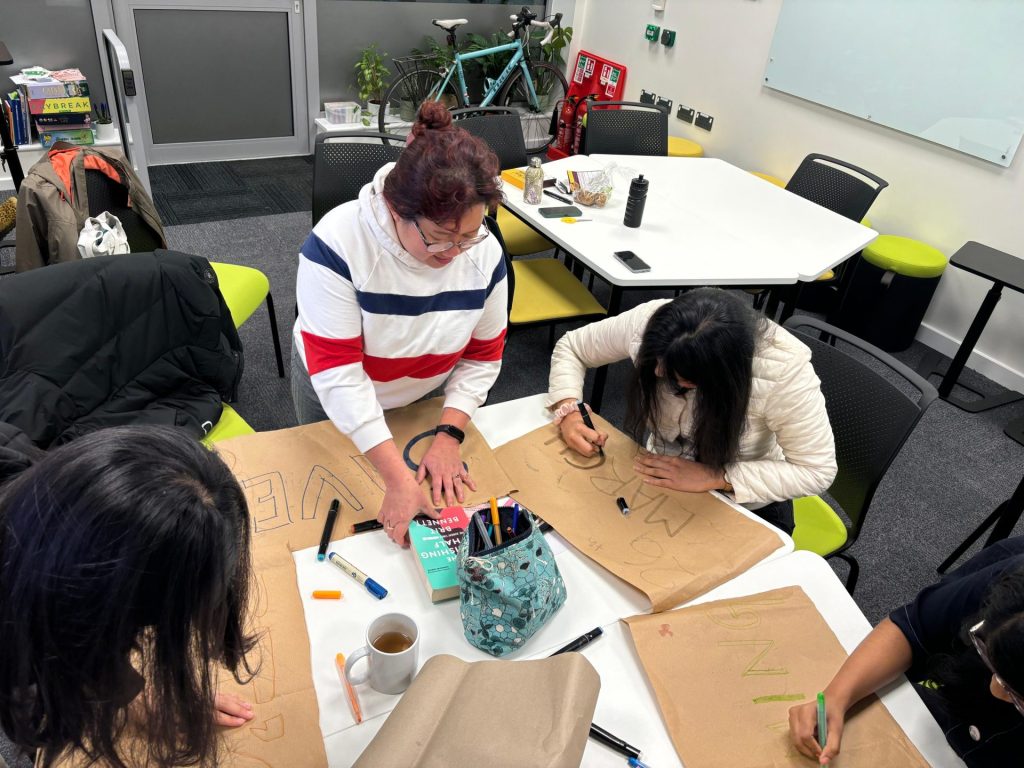
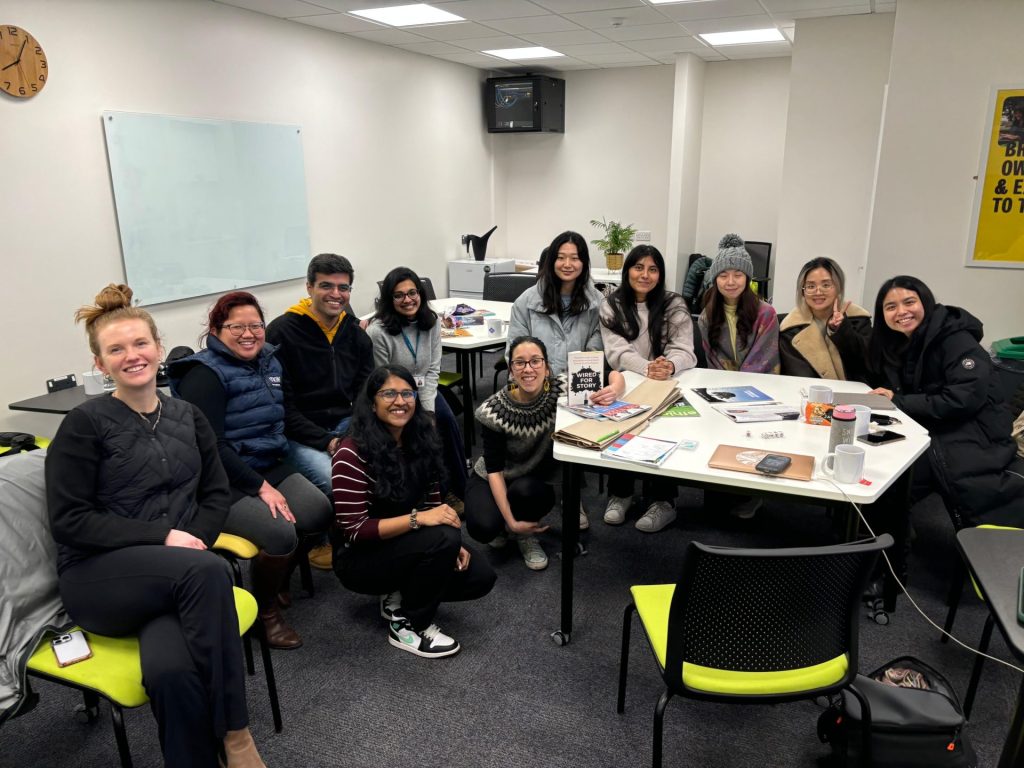
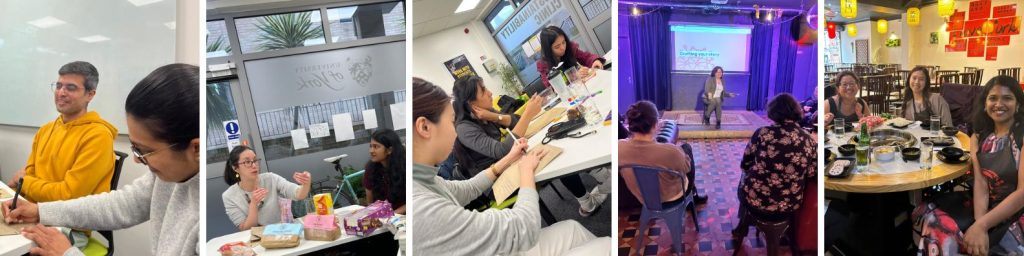
Across six sessions, a mixture of in-person and online, participants learned more about each other, learned and played with the idea of story and then began crafting their own climate narrative. The process had input from expert storyteller and academic Catherine Heinemeyer, Senior Lecture on Performance at York St John University. As the performance date drew nearer we worked one-on-one with each of the stories. Participants sent written scripts or audio recordings and received tailored feedback and gentle crafting suggestions. In our final sessions we introduced elements of public speaking practice and celebration.
“It made me more energetic after every workshop and I felt more comfortable and confident to talk about my story to others after this project.” – Angel
“For me the writing process is an active working-through process. I don’t write to talk about the result or conclusion, but to tell myself something I don’t yet know. Writing and performing this story was a way to work through my dilemmas. By writing it, I could let it go, and level up.” – Sahana
“Crafting my story was a moment of pause I didn’t know I needed. It made me revisit the experiences that quietly shaped my relationship with climate, and naming them felt surprisingly freeing.” – Padmapriya
“For me, it was an adventure of knowledge and vulnerability. Rediscovering my memories from the past was a insightful journey while I was crafting my story. Gratefully I have a good teacher, Sophia, to help me to get through and make the most of my experience. I feel really comfortable all the time and for me that’s super important.” – Katyuska
“Witnessing and supporting the evolution of these stories was an honour and a privilege. Each storyteller trusted me with their budding first drafts and we gently shaped them into a story for sharing. Some stories honed their focus and some took a few different directions before taking their final shape. When the element of performance was brought in, people came into their own. I am incredibly impressed with the power of the all of the stories crafted in this process”. -Sophia
The communications
From the outset, our communications strategy for York Climate Narratives aimed to reach beyond the usual sustainability circles and invite a broader York community into dialogue. We wanted our messaging to feel inclusive, creative, and hopeful: a contrast to the often overwhelming tone of climate communication. This approach guided how we designed our recruitment materials, engaged with local media, and built our presence both on the ground and online. It also shaped the way we framed the event itself: storytelling synchronised with climate ensuring people felt welcomed rather than lectured to.
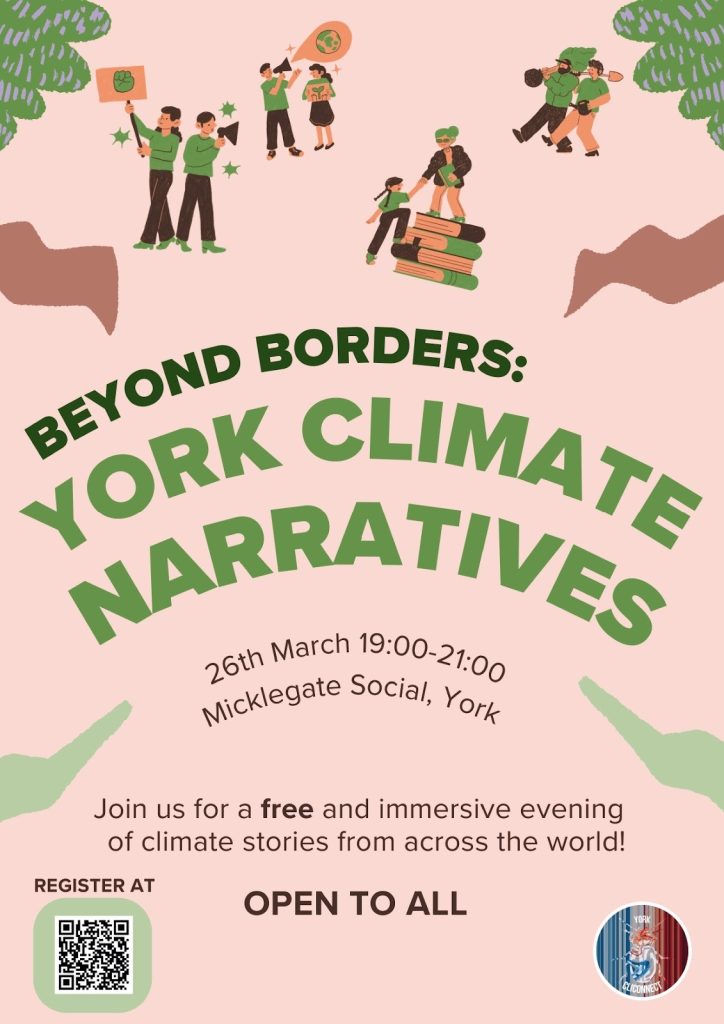
The invite poster designed by Padmapriya aims to convey a message of global interconnectedness centered on the climate crisis. By titling the event “Beyond Borders” and promising “climate stories from across the world”, it immediately communicates that climate change is a shared international issue that transcends national boundaries. The core idea is to make a vast, worldwide problem feel personal and accessible, showing that local communities have a vital role in understanding and engaging with global climate narratives. Warm tones and collage-style visuals were chosen to evoke both familiarity and urgency, balancing approachability with purpose.
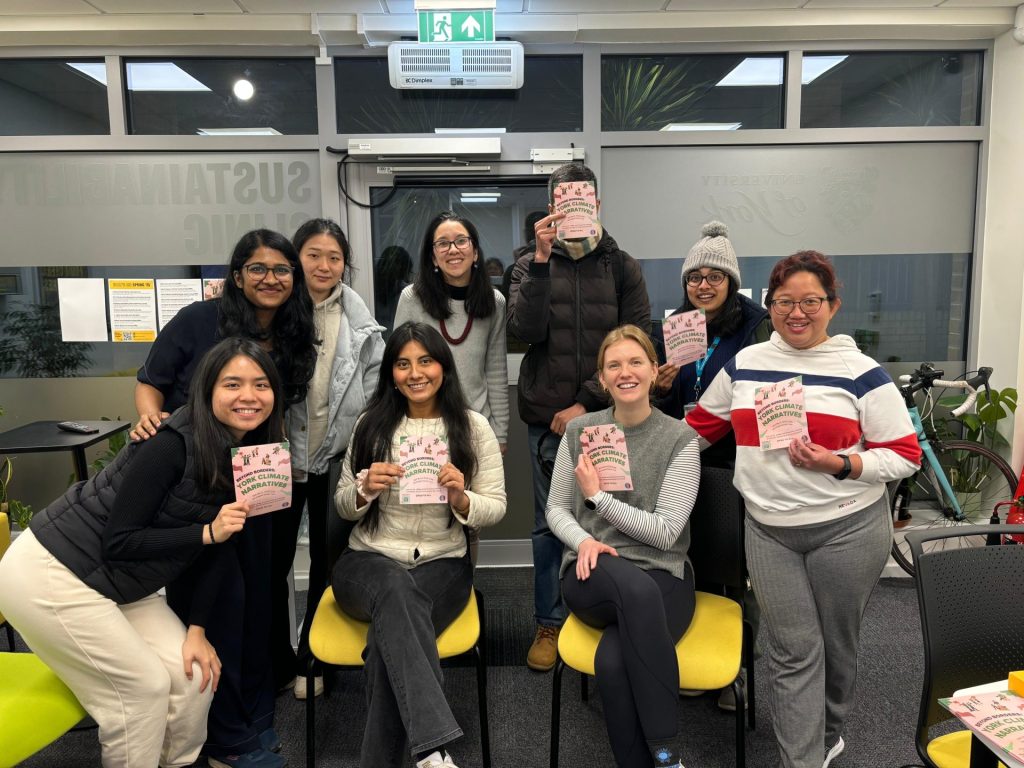
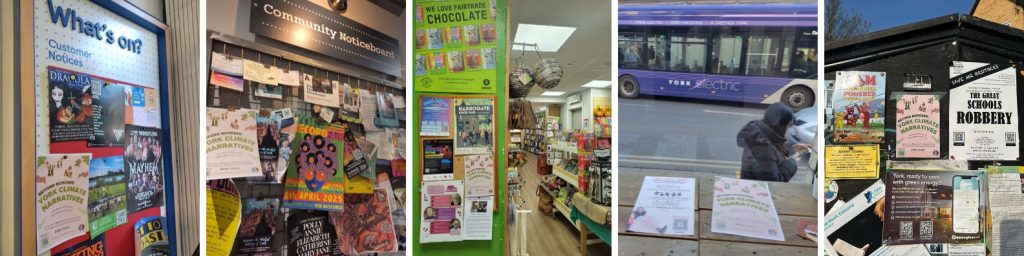
To complement the poster, we created flyers distributed through libraries, cafés, and community centres, reaching audiences beyond known circles. Minhee played a key role here, helping refine the design of both the flyers and the programme card, ensuring our print materials felt cohesive, accessible, and visually aligned with the tone of the event. Many attendees commented that the printed materials felt inviting and warm – a small detail that made a big difference.
On social media, led by Katyuska, posts featuring behind-the-scenes visuals and promotional reels helped build curiosity and trust. Over the campaign period, our posts reached approximately 4000+ views, showing strong interest for a local initiative of this scale. Content ideas like countdowns, story snippets, and short videos from workshop days helped audiences feel part of the process long before the event itself. The balance between digital storytelling and tangible local presence proved vital to sustaining engagement.
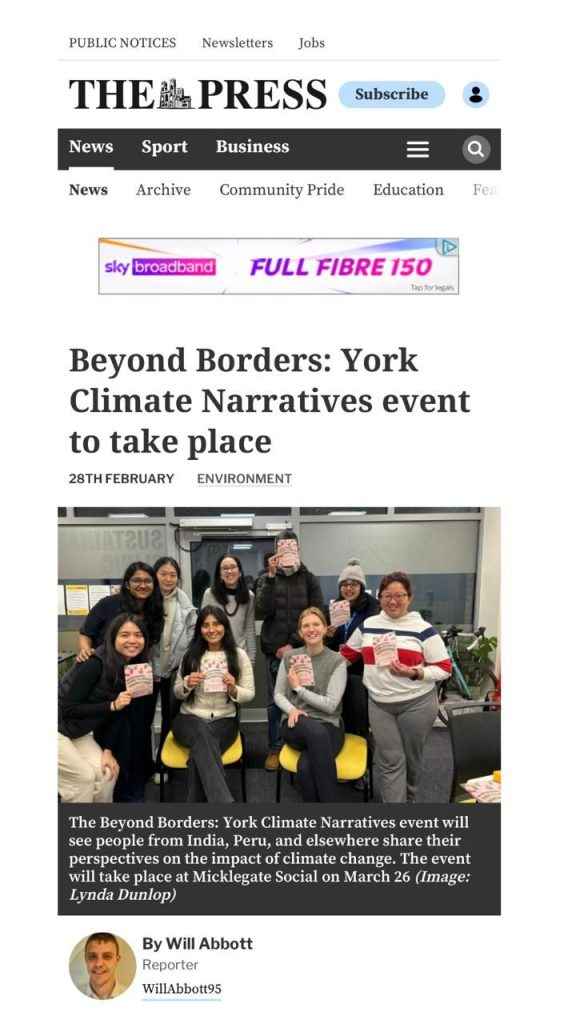
We also engaged with traditional media, sending out a press release to local journalists. Sophie led this effort, drafting and circulating the press release and initiating contact with local media outlets. Thanks to her work, we received coverage in the York Press a few weeks before performance night (York Press Article), an important boost that legitimised the event.
We also approached local radio stations and well-trusted events listings from Local Link to York Creatives. This multi-layered approach not only broadened our audience but also helped position the project as a community driven cultural event rather than an academic or environmental niche initiative.
The performers
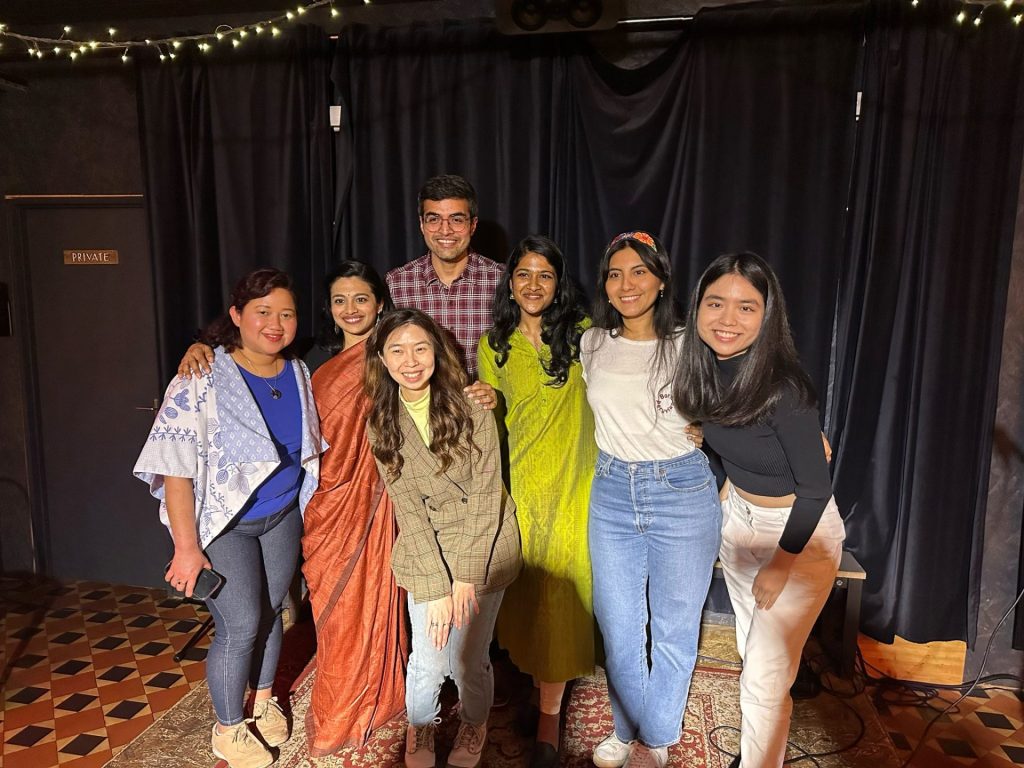
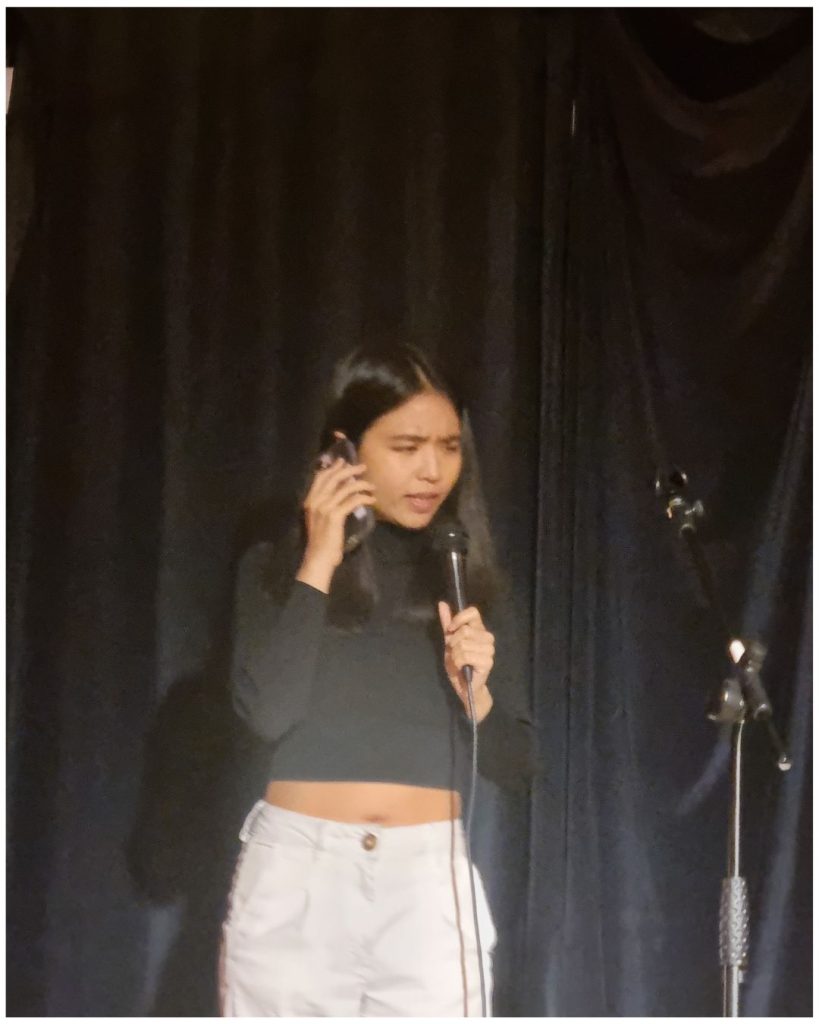
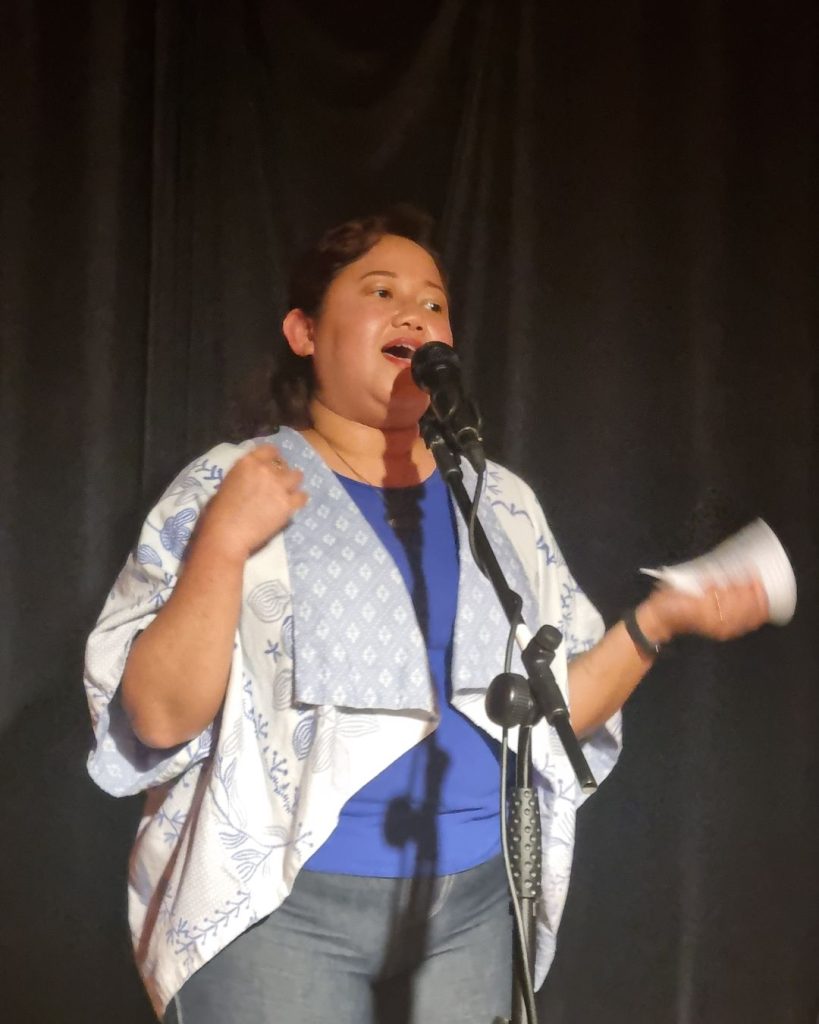
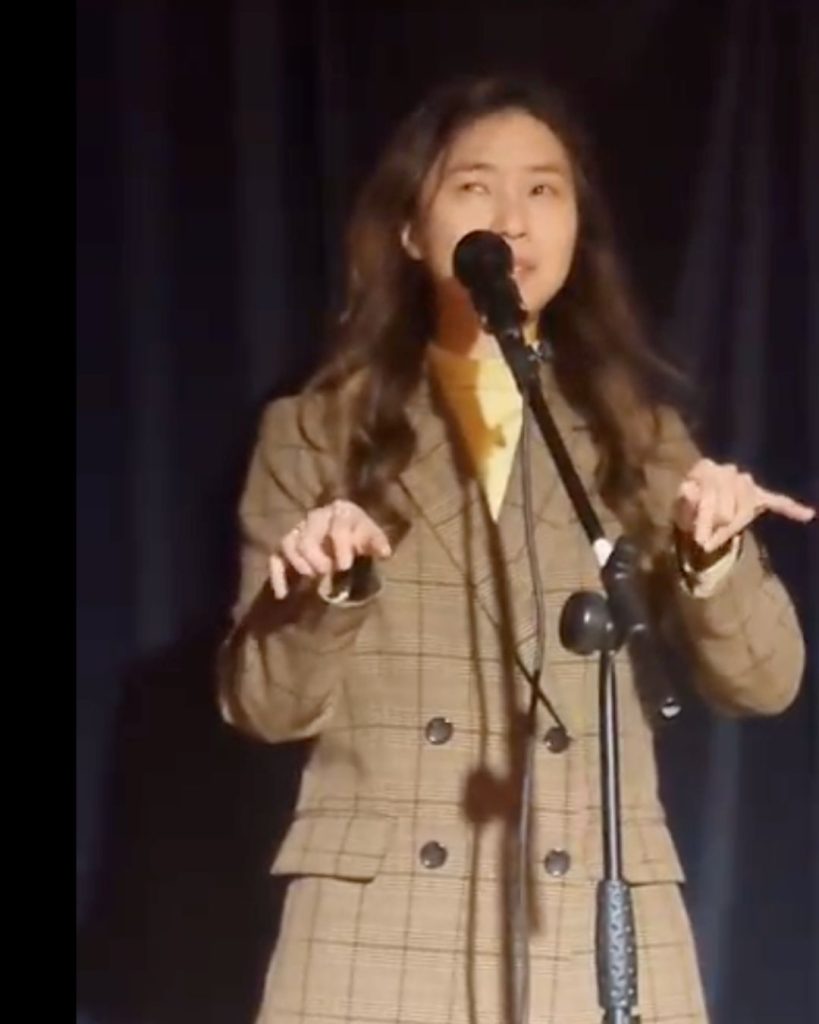
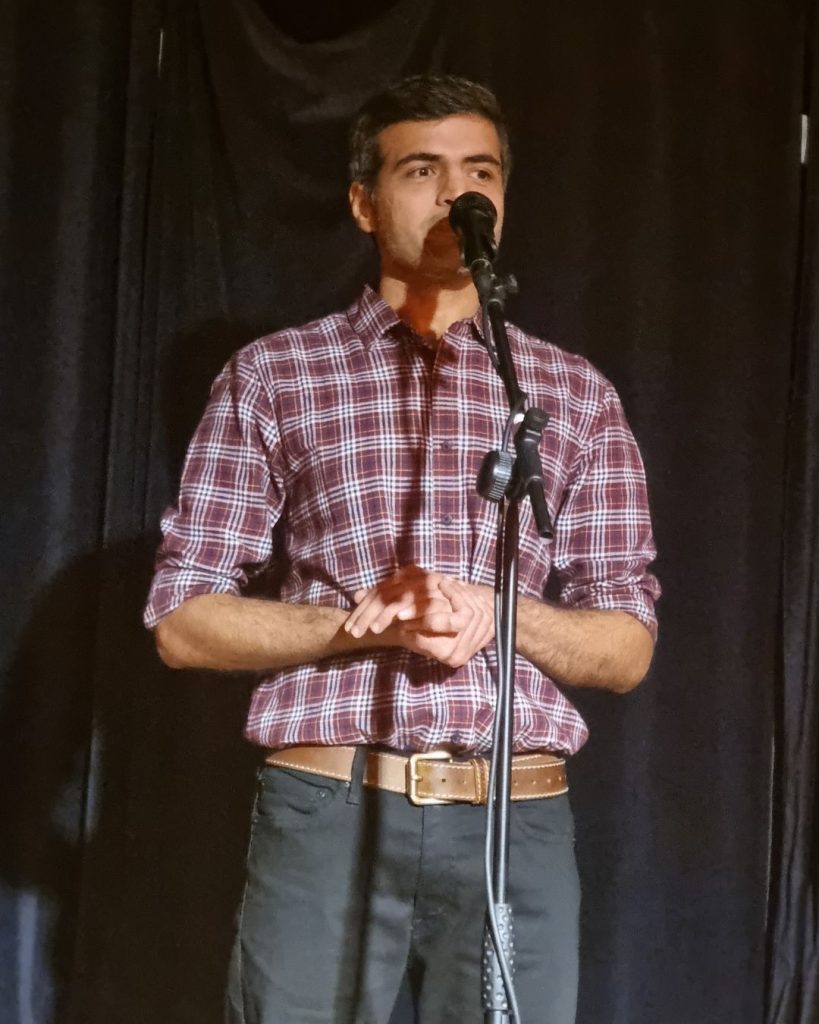
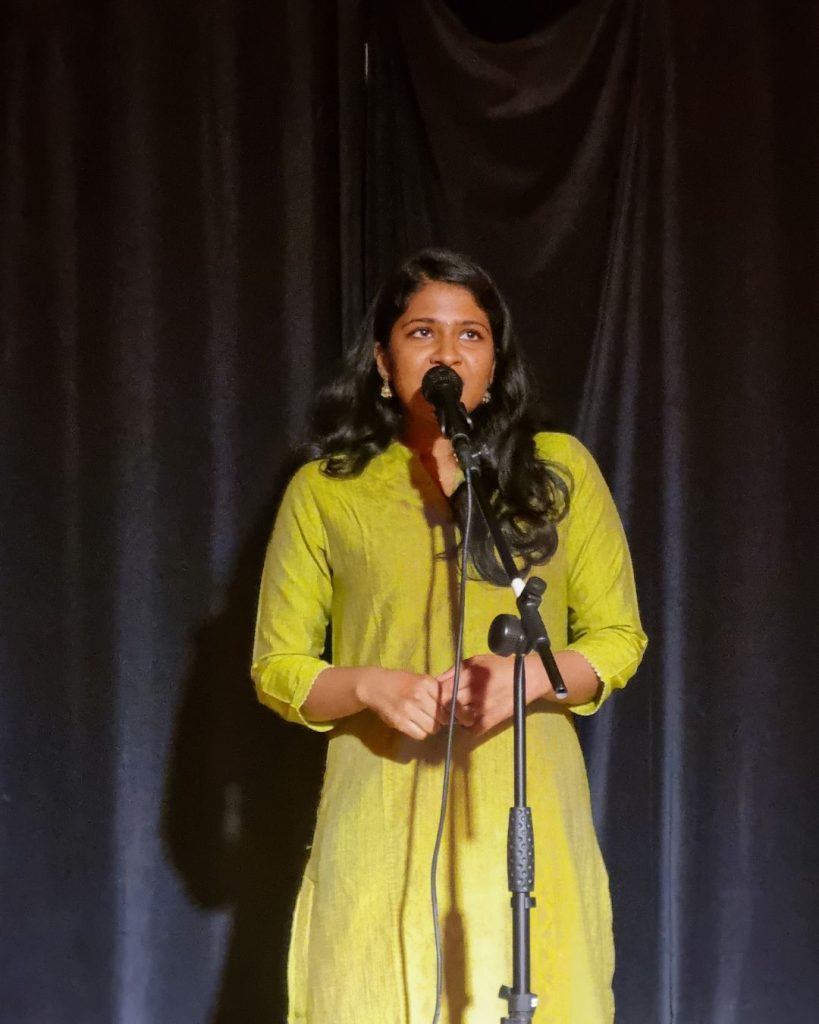
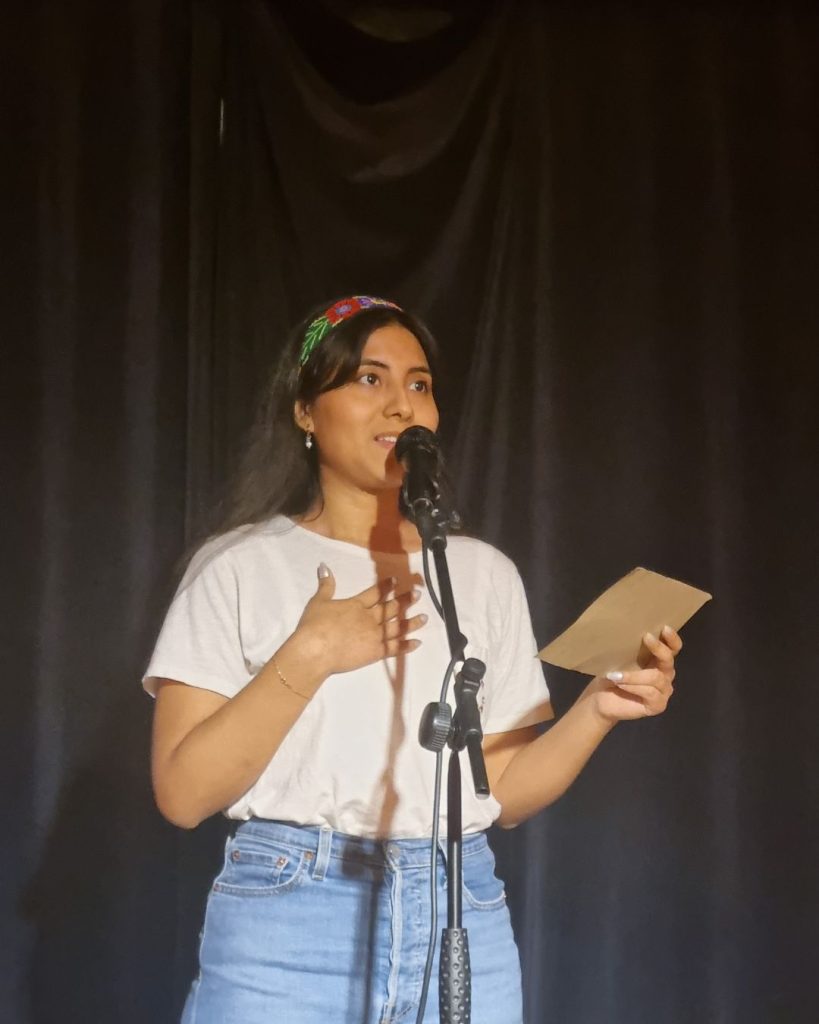
We had 7 storytellers craft their narrative and perform on the night, from 5 different countries.
We also invited singer Aastha Iyer to provide our musical interval and add another emotional dimension to the evening.
It was important to the ethos of the event that the audience weren’t just passive. After the stories the event shifted focus. We invited people to introduce themselves to someone new and then discuss and reflect on the stories they had just heard (see question prompts below).
The big night
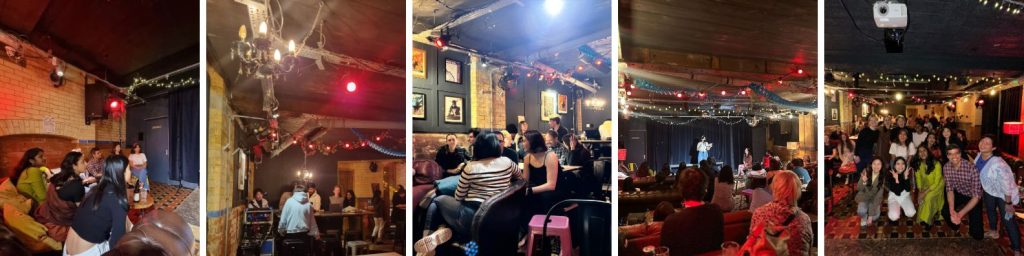
After the final dress rehearsal, doors opened in the basement of Micklegate Social – who kindly provided the venue for free. People started coming in and we were oversubscribed on the Eventbrite listing. The production team supported on sound, stewarding the audience in, taking photo and video clips. More than 50 people showed up to support the storytellers. We reached beyond the usual suspects for climate-related events in York. It was a lively buzzing atmosphere, supported by a co-created playlist of music from across the globe.
Sophia was MC and host for the night, warming up the audience to be supportive of our first time storytellers. Storytellers themselves had their own corner of the room to support each other and manage nerves.
“It was electric! The stories were told with heart, confidence and humour, I felt very moved and incredibly inspired, and privileged to work with such a generous, talented and thoughtful group of students. The sense I got from the audience was that it had been a great way to bring people together in the city – we need more of this!” – Lynda Dunlop
The stories
And these are the final stories as performed live on the night. They are the first public telling with all the nerves and adrenaline that you might expect.
Recording of the event was made possible thanks to the support of Jeremy, Marvin, Woo, and Wang.
So over to you now, the reader, thank you for taking in the context of the project. These stories are full of heart.
Here are some questions to consider as you listen to these stories:
How did hearing one or more of these stories make you feel?
If you’re from the Global Majority, do you see yourself in any of these stories? What might you say that would be different?
If you’re from the Anglosphere, what did the stories provoke in you?
What is your climate story?
The impact
“The event was brilliant and it was clear a lot of care went into it. I guess an area of improvement would be building the network and getting as many people involved as possible. Imagine a city full of people willing to sacrifice and organise for the future.” – Audience
Angel: “I am truly surprised that my humor can make people laugh. I felt satisfied and happy performing in front of live audiences. I am proud of my story!”
Tia: “Public speaking has never been my comfort zone, so I arrived at the workshop feeling understandably nervous. But I’m so glad I pushed through that discomfort. Writing and sharing my climate story didn’t just remind me why I chose a career in sustainability—it helped me embody that purpose. I could feel the “why” in my body, not just understand it intellectually. That grounding has made it easier to navigate the tension between conflicting goals in my work.”
Fion: “It was an incredible journey to become a storyteller for climate narratives. Well, as someone who had never done this before, I was nervous, even during the training sessions in between, to be honest. It was not only a journey to shape and share my climate story, but also an exploration to get to know myself better. I may still feel nervous doing similar activities again; however, I learned the methods and mindset to conquer that fear. Meanwhile, it opened my horizons as I learned what the earth and climate mean to people from different angles. Their stories were touching and inspiring. Also, I loved the interaction with the audience that pushed the show to its peak. Everyone’s feedback and sharing were interesting and valuable.”
Prasad:“I learnt how climate change has been a part of my life so far – I reflected for the first time on how I became aware of it, what I used to think about it before and how my connection with it has changed with time. Performing the story live was a uniquely fulfilling experience. I am happy and proud of myself for being able to do it in a playful way (with just some cues and without a proper script), thoroughly enjoying the process and the outcome!”
Sahana: “Having lost the comfort of the stage, this event was a little nerve-wracking. It was unlike something I had done before. Usually I played other characters and put myself in other people’s stories; the emotions might be personal, but the story was not. Secondly, I am a sad, serious and supercilious writer. Somehow my words always reveal a deep anguish and pain, and I have still not figured out where it comes from. I’ve lived a good privileged life, received love and care from various places, and can experience joys in multiple ways. I value friendships and kindness and have found it in abundance even away from home. But the deep despair just slips through. It came through in this format as well, and was hopefully toned down after multiple iterations. I want to be kinder to this version of me, but I also feel very exposed.”
Katyuska: “I feel that through my story, people have been able to learn a little more about my country and how beautiful and vulnerable it is to climate change. It is also important to highlight the power of getting involved with your community and taking action to protect our Pachamama (earth in Quechua).”
Final reflections
The group came together a few weeks after performance night to reflect on the process. People reflected on their own performance or contribution as well as each others. The group celebrated a job really well done. We also reflected on what the group would do differently next time. A key thing that came up was the shaping of narrative for a Western audience and that we could have included their first language in their performance. For the post-event social media snippets some performers added additional language subtitles and the option to add subtitles to the full recording as also given.
“I have never regretted participating in the Climate Narratives as a storyteller. It was my first time bringing my story to the public, and it was memorable. I am still delivering it to the younger generations, hopefully planting the seed in their hearts. Who knows?” – Angel
Tia has since gone on to perform her story again, Prasad has used elements of his story at later speaking events. Minhee, Tia and Angel joined future systems thinking workshops hosted by With Many Roots. And some of the group convened around a shared love of food.
Sahana: “But writing is also a means of working through. After this event, I stopped eating meat completely. I have not ordered any Uniqlo products, a habit I was slowly getting into, and haven’t conscientiously bought anything. I have donated a few more clothes and shoes over the summer. It felt like telling my story was a personal journal entry, that I let the world see to make me more accountable. It became real and honest after the witnessing. When I was asked if I would like to perform this story again, I was clear it had died with the first event. Now I would like to write a new story of being a friend of the Earth, do what I can to support it, and enjoy its beauty as long as I’m alive.”
Lynda: “The students all did different courses at different levels, and came from different places. They were brought together in their work to tell their stories. Working through the creative process individually, with Sophia, and with the group as a collective, created strong bonds, inner strength and connections to each other and the city and enabled them to translate and integrate knowledge from their degree into personal, meaningful and relevant stories. The response from the audience on the night showed that these stories resonated widely. I am sure this will be a lasting memory of their time at York and I know it was truly transformational for some. This is what education looks and feels like! We’d love to support this again.”
Thank you to Padmapriya for co-writing this write up.
Next steps
While many of the students who took part have now left York, Tia and Sophia, again with Lynda Dunlop’s support, are going to run this project again. We even have two participants confirmed already.
We’re looking for:
Storytellers – Anyone who wants to share their experience. No need to be “ready”: we’ll run short workshops on storycrafting and storytelling to support you.
Support team – People who can help bring the event to life, including:
Spreading the word (social media, networks, press, posters)
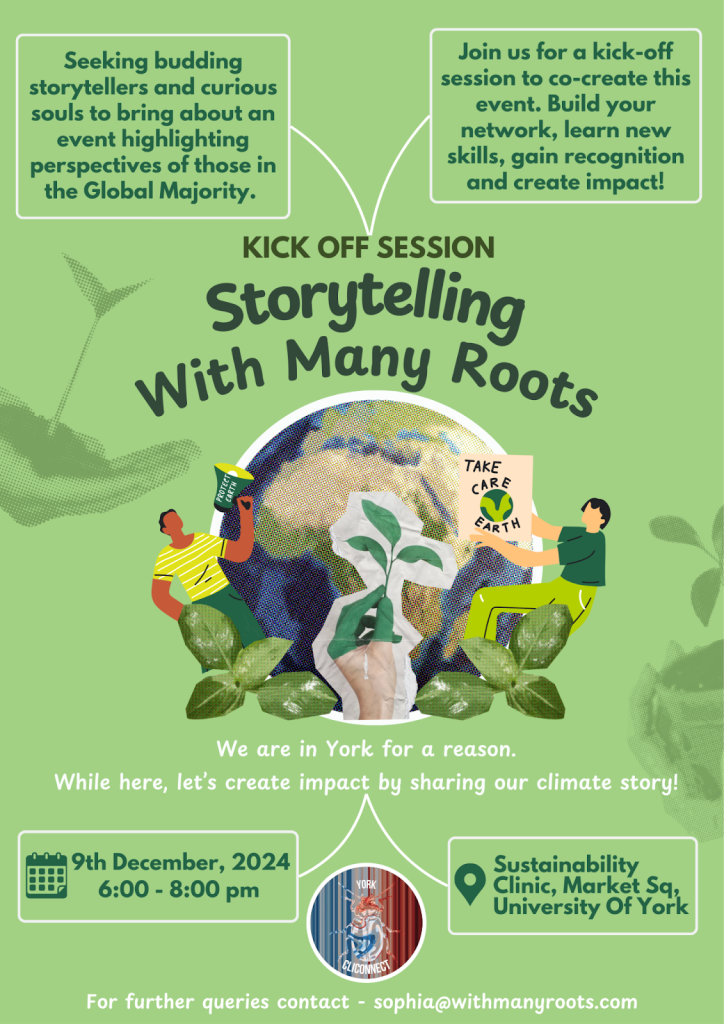
Get in touch with us here. We are launching the project with a kick off meeting December 10th 6-8pm at the Sustainability Clinic at University of York. Register here: 2026beyondborders.eventbrite.co.uk